
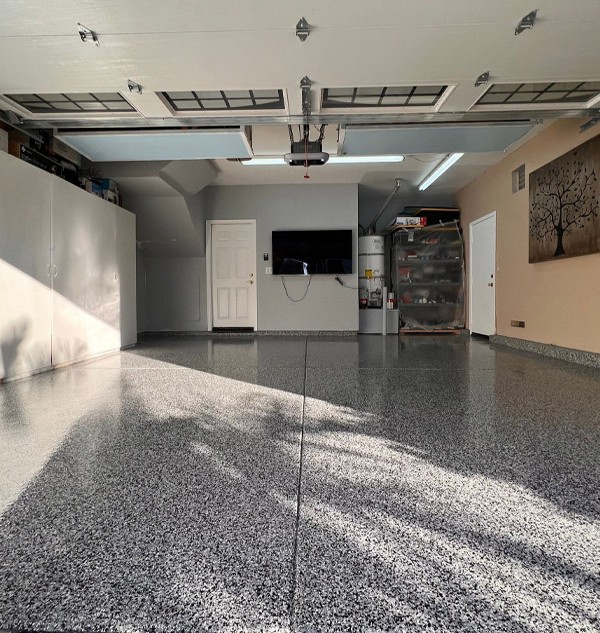
Unprotected workshop concrete floors break apart rapidly under the heavy weight of large trucks rolling over them daily. This constant mechanical friction combines with dropped transmission fluid to leave ugly, deep black marks that look completely terrible. Spreading a thick polymer shield seals up those open stone pores and stops your floor foundation from splitting wide open. If you notice thin cracks spreading across your workstation slab, you must fill them with sand patch binders before coating.
Grinding Raw Slab Bases
You need to run a heavy diamond grinding machine across the floor to strip away the slick top layer completely. This rough mechanical abrasion gives the smooth masonry a coarse profile that allows liquid chemical layers to bond tightly. Skipping this vital mechanical step ensures your new garage flooring Taft setup will start bubbling up and peeling within a few short months. It is dusty, noisy work, but deep grinding creates a permanent surface bond that survives heavy vehicle traffic easily.
Spreading Defensive Fluid Finishes
Pouring multi-layered commercial chemical mixtures across your prepped foundation completely hides all those old pitting marks and deep oil stains. Investing in a professional epoxy flooring Taft installation gives your facility immense surface strength that handles direct battery acid spills easily. The thick liquid polymers settle down into a dense plastic skin that brightens up the entire dark workspace area effectively. It changes a boring, dusty workplace slab into a highly functional workspace that looks clean and sharp.
Stopping Dangerous Wet Slips
High-gloss architectural finishes look remarkably pristine, but workers often worry they become slippery when rainy weather gets tracked inside. Mixing fine quartz sand particles or specialized aluminum oxide grains directly into your final clear polyurethane sealer provides excellent foot traction. This added physical texture prevents dangerous slips and falls without clouding the beautiful natural exposed stone aggregate patterns underneath. You can easily adjust how rough the floor texture feels based on your own specific workspace safety guidelines.
Cleaning Harsh Shop Grime
Abrasive garden soils and harsh fertilizer drops will slowly dull down your glossy protective topcoat if left sitting. Stick with primary pH-neutral liquid cleansers mixed with smooth warm water for everyday care. If you don’t sweep often, it acts like coarse sandpaper on the clean end. Keeping your floor clean keeps those good, sharp abrasive particles from playing down the paths of your over-the-top visitors.
Comparing Real Project Costs
Cheap thin floor paints from local retail hardware shops look great for a few weeks but fail under hot tires. Investing in professional multi-layered commercial chemical systems saves you massive cash over the long term by avoiding frequent reapplication work. You must analyze your actual workspace traffic patterns before deciding on a specific system thickness or stone exposure level. Heavy multi-layered systems withstand dropped steel tools and heavy pallet machinery without chipping.
Lowering Airborne Masonry Dust
Untreated concrete foundations constantly release a very fine white dust that coats your stock inventory and machinery parts. Applying a dense protective surface shield stops this annoying dusting phenomenon completely, making the workspace air healthier to breathe. The hardened crystalline skin easily resists heavy vehicle tire marks that typically ruin basic water-based acrylic floor paints within a season. It provides a highly functional, brightly reflective space that makes working on projects much easier.
Conclusion
Choosing between thin decorative sealers and heavily fortified multi-layered chemical broadcast systems depends entirely on your daily operational activity. Researching advanced mechanical treatment options at huskycoatings.com provides property owners with detailed technical data regarding structural lifespans and slip resistance ratings. Skimping on the initial diamond grinding stage always results in total surface failure regardless of the finishing equipment used. Professional flooring technicians should test the concrete for severe moisture and vapor emissions before creating an effective installation timeline. Contact our customer service office during these days to schedule an on-site structural assessment and receive an in-depth cost breakdown.